Search Engine Optimization (SEO) for Dropshipping

In Module 6, we will dive into the world of Search Engine Optimization (SEO) and how it can significantly impact the visibility and success of your dropshipping website. SEO is a vital aspect of driving organic traffic to your website and gaining a competitive edge in the online marketplace. You will learn essential strategies, techniques, and best practices to optimize your dropshipping store for search engines and improve your rankings in 2023.
6.1 Understanding the Importance of SEO for Dropshipping
-
The role of SEO in driving organic traffic and conversions
-
How SEO complements other marketing efforts
-
Recent SEO trends and updates in 2023
6.2 Keyword Research and Analysis
-
Conducting keyword research specific to your niche
-
Identifying high-value, relevant keywords for your products
-
Utilizing keyword tools and analytics to refine your strategy
6.3 On-Page SEO Optimization
-
Crafting SEO-friendly product titles and descriptions
-
Utilizing meta tags, meta descriptions, and header tags
-
Optimizing product images and alt tags for search engines
6.4 Website Structure and Navigation
-
Designing a user-friendly and intuitive website structure
-
Creating a logical navigation hierarchy for improved SEO
-
Implementing internal linking strategies to enhance discoverability
6.5 Mobile SEO and Responsive Design
-
The importance of mobile optimization for SEO
-
Ensuring a responsive and mobile-friendly website design
-
Mobile site speed and its impact on SEO rankings
6.6 Technical SEO Considerations
-
Understanding website crawlability and indexability
-
Addressing duplicate content and canonicalization
-
Managing URL structure and redirects for SEO benefits
6.7 Backlink Building Strategies
-
Earning high-quality backlinks for improved authority
-
Guest posting, outreach, and relationship-building techniques
-
Evaluating backlink opportunities and avoiding spammy links
6.8 Content Marketing for SEO
-
Creating valuable and shareable content for your audience
-
Leveraging blog posts, guides, and infographics for SEO gains
-
Integrating keywords naturally into your content
6.9 Local SEO for Dropshipping
-
Optimizing for local search and "near me" queries
-
Creating and optimizing Google My Business (GMB) listings
-
Building local citations and NAP consistency
6.10 Monitoring and Measuring SEO Performance
-
Using SEO tools to track keyword rankings and traffic
-
Analyzing SEO data and making data-driven decisions
-
Iterative improvements and ongoing SEO maintenance
By the end of this module, you will have a comprehensive understanding of SEO strategies and how to implement them effectively to enhance your dropshipping store's visibility, attract organic traffic, and boost sales in 2023. SEO is a long-term investment that, when done right, can yield significant returns for your dropshipping business.
Understanding the Importance of SEO for Dropshipping
The role of SEO in driving organic traffic and conversions is fundamental to the success of any online business, including dropshipping. SEO plays a crucial role in attracting targeted visitors to your website and converting them into customers. Here's how SEO contributes to driving organic traffic and increasing conversions for your dropshipping business:
#1 Improved Visibility in Search Engine Results:
When your dropshipping store is optimized for relevant keywords and search terms, it has a higher chance of appearing on the first page of search engine results. Higher visibility leads to more organic traffic, as users are more likely to click on websites that rank higher.
#2 Targeted and Relevant Traffic:
SEO helps you target specific keywords and phrases related to your products or niche. As a result, the traffic you receive from search engines is more likely to be relevant and interested in what you offer. Targeted traffic has a higher chance of converting into leads and sales.
#3 Enhanced User Experience:
SEO involves optimizing your website's structure, content, and navigation to provide a better user experience. A well-structured and user-friendly website leads to lower bounce rates, longer visit durations, and increased engagement—all of which positively impact conversions.
#4 Trust and Credibility:
Websites that rank higher in search results are often perceived as more trustworthy and authoritative. When users find your dropshipping store among the top search results, they are more likely to trust your brand and feel confident making a purchase.
#5 Local SEO for Foot Traffic:
For dropshipping businesses with physical store locations, local SEO is essential. Optimizing for local searches ("near me" queries) helps drive foot traffic to your brick-and-mortar stores, increasing the chances of in-person purchases.
#6 High-Quality Content for Conversions:
SEO encourages the creation of high-quality, informative, and relevant content. Content that addresses users' needs and answers their questions can establish your store as an authoritative source, building trust and increasing the likelihood of conversions.
#7 Mobile Optimization for Mobile Users:
With the significant increase in mobile device usage, mobile optimization has become crucial for SEO. Mobile-friendly websites are more likely to rank higher in mobile search results, attracting users who are on the go and ready to make purchases.
#8 Long-Term Organic Traffic:
While paid advertising can deliver quick results, SEO provides a sustainable long-term traffic source. Once your dropshipping store ranks well for relevant keywords, it continues to attract organic traffic without the ongoing cost of paid ads.
#9 Competing with Larger Players:
SEO allows smaller dropshipping businesses to compete with larger e-commerce players. By optimizing for specific niches and targeting relevant keywords, smaller stores can gain visibility and compete effectively in their chosen markets.
In conclusion, SEO is instrumental in driving organic traffic to your dropshipping store and increasing conversions. It helps you reach the right audience, build trust and credibility, and create a positive user experience—all of which contribute to higher conversion rates and business success in the competitive online marketplace.

SEO is an ever-evolving field, and search engines like Google frequently update their algorithms to improve search results and user experience. To stay up to date with the latest SEO trends and updates for 2023, I recommend consulting reputable industry publications, SEO blogs, and official announcements from search engine companies.
Some common SEO trends that have been prevalent in recent years and may continue to be relevant in 2023 include:
#1 User Experience (UX) and Core Web Vitals:
Google's focus on user experience has been growing, and it introduced Core Web Vitals as a ranking factor. Websites that provide a better user experience, including faster loading times and smoother interactions, are likely to perform better in search results.
#2 Mobile-First Indexing:
With the increasing use of mobile devices for internet browsing, Google has been prioritizing mobile-first indexing. Websites that offer a seamless experience on mobile devices are more likely to rank higher in search results.
#3 Voice Search Optimization:
Voice search is becoming more popular with the rise of voice-activated smart devices. Optimizing content for voice search queries, which tend to be more conversational, can be beneficial for SEO.
#5 E-A-T (Expertise, Authoritativeness, Trustworthiness):
Google has emphasized the importance of E-A-T in evaluating website quality. Demonstrating expertise, authoritativeness, and trustworthiness in your content and website can positively impact search rankings.Visual content, including videos and images, continues to gain prominence in search results. Optimizing video content and utilizing image alt tags can enhance SEO performance.
#6 Featured Snippets and Rich Results:
Featured snippets and rich results are special content formats that appear at the top of search results. Optimizing content to be featured in these formats can improve visibility and click-through rates.
#7 Local SEO:
For businesses with physical locations, local SEO remains crucial for targeting local customers. Google My Business (GMB) optimization and local citations are essential for local search visibility.
#8 Data Privacy and Security:
Search engines and users increasingly value data privacy and website security. Implementing SSL certificates and following best practices for data protection can positively impact SEO and user trust.
Remember that SEO trends and updates can change rapidly, so staying informed through reliable sources is essential for adapting your SEO strategy in 2023 and beyond.

Conducting keyword research specific to your niche
Conducting keyword research specific to your niche is a crucial step in developing an effective SEO strategy for your dropshipping business. Keyword research helps you identify the search terms and phrases that potential customers use when looking for products or information related to your niche. Here's a step-by-step guide to conducting keyword research for your niche:
#1 Understand Your Niche:
Begin by gaining a deep understanding of your dropshipping niche. Identify the main products or services you offer, your target audience, and the unique selling points of your business. Understanding your niche will help you generate relevant keyword ideas.
#2 Brainstorm Seed Keywords:
Start with seed keywords – basic terms related to your niche. For example, if your niche is "fitness wearables," seed keywords could include "fitness trackers," "smartwatches for fitness," and "wearable fitness technology."
#3 Use Keyword Research Tools:
There are numerous keyword research tools available that can help you expand your list of potential keywords and understand their search volume, competition, and relevance. Some popular keyword research tools include Google Keyword Planner, SEMrush, Ahrefs, Moz Keyword Explorer, and Ubersuggest.
#4 Analyze Competitor Keywords:
Look at the websites of your competitors within the same niche. Analyze the keywords they are targeting in their content and meta tags. This can give you insights into what keywords are driving traffic to their sites and help you discover potential gaps in your own keyword strategy.
#5 Long-Tail Keywords:
Long-tail keywords are longer, more specific phrases that have lower search volumes but are often less competitive. They can be highly valuable for attracting targeted traffic. For example, instead of targeting "fitness trackers," consider using long-tail keywords like "best fitness tracker with heart rate monitor."
#6 Consider User Intent:
Think about the intent behind the keywords your potential customers might use. Are they looking for information, comparison, or ready to make a purchase? Tailoring your keyword selection to user intent can help you create content that matches their needs.
#7 Focus on Relevance and Search Volume:
Look for keywords that are highly relevant to your niche and products while also having a reasonable search volume. High search volume indicates that people are actively searching for those terms, but keep in mind that highly competitive keywords may be challenging to rank for.
#8 Monitor and Adapt:
Keyword research is an ongoing process. Monitor the performance of the keywords you target and be prepared to adapt your strategy based on changes in search trends or user behavior.
By conducting thorough keyword research specific to your niche, you can identify the most valuable and relevant keywords to target in your SEO efforts. This will help drive targeted organic traffic to your dropshipping store, increasing the likelihood of conversions and business success.
Utilizing keyword tools and analytics is essential for refining your keyword strategy and optimizing your dropshipping store's performance. These tools provide valuable insights into keyword performance, user behavior, and trends, helping you make data-driven decisions to improve your SEO efforts. Here's how to leverage keyword tools and analytics to refine your strategy:
Popular Keyword Research Tools to conduct in-depth keyword research
Google Keyword Planner, SEMrush, Ahrefs, Moz Keyword Explorer, and Ubersuggest
Popular Keyword Research Tools for Competitive Analysis
SEMrush and Ahrefs
Popular Keyword Rank Tracking Tools
Wincher, AccuRanker , SE Ranking

Current Trends and Opportunities in the Dropshipping Industry
As of 2023, the dropshipping industry continues to evolve with new trends and opportunities emerging to shape the landscape. Understanding these current trends can help dropshippers stay competitive and capitalize on potential growth areas. Here are some of the prominent trends and opportunities in the dropshipping industry:
1.Niche Market Expansion:
Dropshippers are exploring micro-niches and specialized markets to target specific customer segments with unique and tailored product offerings.
2. Hyper-Personalization:
Personalization has become a significant aspect of e-commerce. Dropshippers are leveraging data analytics and customer behavior insights to offer personalized product recommendations, targeted marketing campaigns, and customized shopping experiences.
3. Print-on-Demand Services:
Print-on-demand dropshipping enables retailers to offer customized products, such as apparel, mugs, and phone cases, without the need for inventory. This trend allows for greater creativity and product personalization.
4. Influencer Marketing:
Influencer marketing remains a powerful strategy in the dropshipping industry. Partnering with relevant influencers and content creators can significantly boost brand awareness and drive sales.
5. Augmented Reality (AR) and Virtual Try-Ons:
Integrating AR technology into dropshipping stores allows customers to virtually try on products, such as clothing and accessories, before making a purchase. This enhances the online shopping experience and reduces the likelihood of returns.
6. Multi-Channel Selling:
Dropshippers are diversifying their sales channels beyond their own online stores. Selling on marketplaces like Amazon, eBay, and social media platforms can expand their reach and attract a broader customer base.
7. AI and Automation:
Artificial intelligence (AI) and automation are being utilized to streamline various aspects of dropshipping, including order processing, customer service, and marketing. This can improve efficiency and reduce operational costs.
8. Subscription-Based Models:
Some dropshippers are implementing subscription-based models, offering customers regular product deliveries and exclusive benefits, fostering customer loyalty and recurring revenue.
By staying informed about these trends and leveraging relevant opportunities, dropshippers can stay ahead in the competitive e-commerce landscape and build successful and sustainable businesses in 2023 and beyond.

Module 1: completed

Module 2: Niche Selection and Market Research

Module 3: Setting Up Your Dropshipping Store

Module 4: Finding Reliable Suppliers

Module 5: Payment Gateways and Secure Transactions
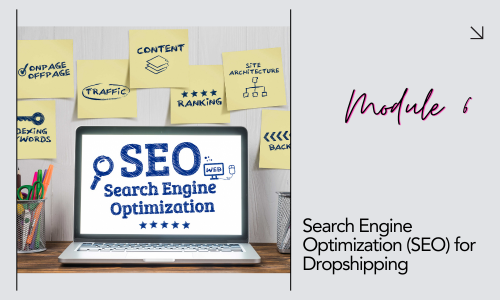
Module 6: Search Engine Optimization (SEO) for Dropshipping

Module 7: Social Media Marketing and Advertising

Module 8: Analytics and Performance Tracking

Module 9 : Order Fulfillment and Customer Service